Esperanto
 Shqiptare
 Euskara
 Zulu
Zulu
 Latinus
 Cymraeg
 தமிழ்
தமிழ்
 Slovak
 Slovak
 Afrikaans


The Science Behind Conductive Fabric Tape: How It Works
Release time:
2024-12-30
The Science Behind Conductive Fabric Tape: How It Works Table of Contents 1. Introduction to Conductive Fabric Tape 2. What Is Conductive Fabric Tape? 3. How Conductive Fabric Tape Works 4. Components of Conductive Fabric Tape 5. Applications of Conductive Fabric Tape 6. Advantages of Using Conductive Fabric Tape 7. Installation and Usage Tips for Conductive Fabric
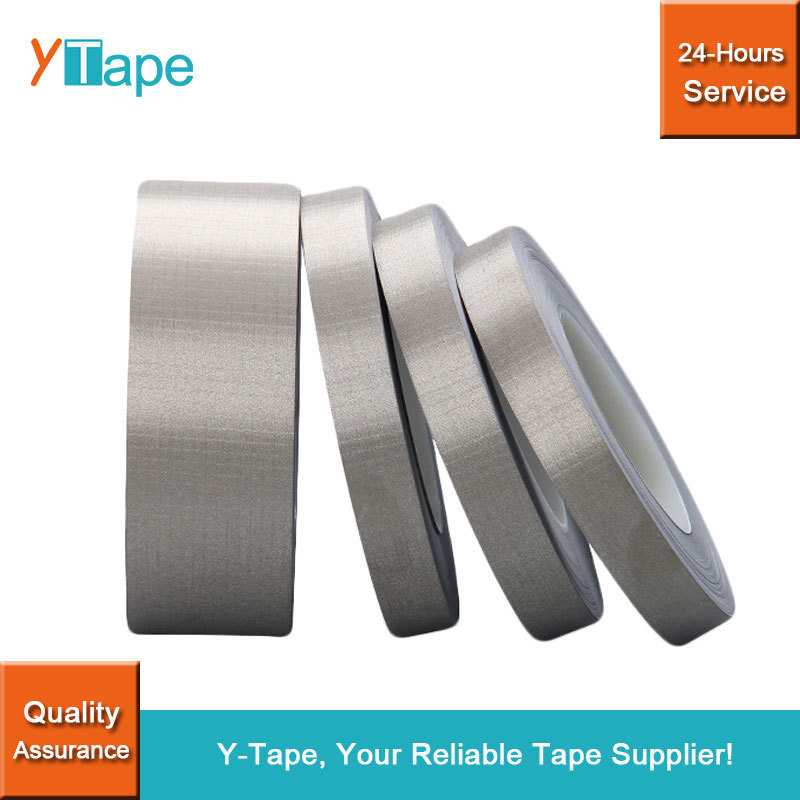
The Science Behind Conductive Fabric Tape: How It Works
Table of Contents
- 1. Introduction to Conductive Fabric Tape
- 2. What Is Conductive Fabric Tape?
- 3. How Conductive Fabric Tape Works
- 4. Components of Conductive Fabric Tape
- 5. Applications of Conductive Fabric Tape
- 6. Advantages of Using Conductive Fabric Tape
- 7. Installation and Usage Tips for Conductive Fabric Tape
- 8. Safety Considerations When Using Conductive Fabric Tape
- 9. Conclusion
- 10. Frequently Asked Questions
1. Introduction to Conductive Fabric Tape
Conductive fabric tape represents a fascinating intersection of materials science and engineering. This versatile tool has revolutionized the way we approach electrical connections in textiles and numerous other applications. As technology evolves, understanding the mechanics of conductive fabric tape becomes increasingly vital for engineers, designers, and hobbyists alike. In this comprehensive guide, we will delve into the science behind conductive fabric tape, its working mechanism, components, advantages, and applications.
2. What Is Conductive Fabric Tape?
Conductive fabric tape is a specialized adhesive tape that combines fabric with conductive materials. It is engineered to facilitate electrical conductivity while maintaining flexibility and durability. This unique combination allows it to be used in a wide range of applications, from making electrical connections in wearable technology to creating conductive pathways in smart textiles.
The Composition of Conductive Fabric Tape
Typically, conductive fabric tape is made from a base layer of fabric—often polyester or cotton—coated with a thin layer of conductive material, such as silver or copper. This coating is applied in a way that ensures the fabric retains its flexibility and softness. The adhesive used in conductive fabric tape is also specifically formulated to ensure that it does not interfere with the conductive properties of the fabric.
3. How Conductive Fabric Tape Works
The functionality of conductive fabric tape hinges on its construction. The key to its operation lies in the conductive layer, which allows the flow of electric current. When voltage is applied, electrons move through the conductive material, resulting in an electrical connection that can be used for various purposes.
Conductive Pathways
Conductive fabric tape creates pathways for electrical signals. These pathways can be applied to different surfaces, enabling connectivity in electronic circuits. The flexibility of the fabric allows it to conform to various shapes, making it ideal for applications where traditional wiring may be impractical.
Capacitance and Resistance
When using conductive fabric tape, understanding capacitance and resistance is essential. The tape's conductive properties can vary based on its thickness, length, and the materials used. Conductive fabric tape often demonstrates low resistance, which is crucial for reducing energy losses in electronic circuits.
4. Components of Conductive Fabric Tape
To fully appreciate how conductive fabric tape works, it's essential to understand its primary components:
Base Fabric
The base fabric serves as the structural component of the tape. Its flexibility and durability are vital for ensuring that the tape can withstand various applications and environments.
Conductive Coating
The conductive coating is usually a metal layer, such as copper or silver, which is responsible for the tape's electrical properties. This layer must be thin enough to maintain flexibility while thick enough to ensure reliable conductivity.
Adhesive Layer
The adhesive layer binds the conductive fabric tape to surfaces. It needs to be conductive to ensure electrical connectivity while also providing a strong bond to various materials.
5. Applications of Conductive Fabric Tape
Conductive fabric tape has a broad spectrum of applications across multiple industries. Some of the most notable uses include:
Wearable Technology
In the realm of wearable tech, conductive fabric tape is frequently employed to create flexible circuits that integrate seamlessly into clothing. This technology can power sensors and devices that monitor heart rates, track movement, or even enable smart textiles.
Electronics Repair
For electronics repair enthusiasts, conductive fabric tape offers a convenient solution for reconnecting damaged circuits without the need for soldering. It can be used to bridge gaps in traces on circuit boards or connect components.
Shielding and Grounding
Conductive fabric tape is also used for electromagnetic shielding and grounding applications. By applying it to enclosures or surfaces, one can effectively reduce electromagnetic interference (EMI) and maintain signal integrity.
6. Advantages of Using Conductive Fabric Tape
The benefits of conductive fabric tape are numerous:
Flexibility and Comfort
Unlike traditional rigid wiring, conductive fabric tape offers flexibility, which is particularly advantageous in applications requiring movement, such as wearables.
Ease of Use
Conductive fabric tape is easy to apply, making it accessible for both professionals and DIY enthusiasts. Its adhesive properties allow for quick installation without specialized tools.
Durability
The combination of fabric and conductive materials results in a robust product that can withstand wear and tear, making it an ideal choice for long-lasting applications.
7. Installation and Usage Tips for Conductive Fabric Tape
To maximize the effectiveness of conductive fabric tape, consider the following tips:
Surface Preparation
Ensure that the surface area to which you are applying the tape is clean and free of dust or grease. This will enhance the adhesive's performance and the tape's conductivity.
Proper Cutting Techniques
When cutting the tape, use sharp scissors to create clean edges. This reduces the risk of fraying and ensures a better contact surface for electrical connections.
Temperature Considerations
Be mindful of temperature when applying conductive fabric tape. Extreme temperatures can affect its adhesive properties and overall performance.
8. Safety Considerations When Using Conductive Fabric Tape
While conductive fabric tape is generally safe to use, some precautions should be taken:
Handling Conductive Materials
When working with conductive materials, avoid direct contact with conductive coatings. Always wash your hands after handling to prevent accidental short-circuits.
Electrical Safety
Ensure that the current and voltage levels are within the tape's specifications to avoid overheating and potential hazards.
9. Conclusion
Conductive fabric tape is a remarkable innovation that combines the versatility of fabric with the functionality of conductive materials. Its unique properties make it suitable for a diverse range of applications, from electronics to wearable technology. By understanding how it works, its components, and its benefits, one can leverage this tape to enhance their projects significantly. Whether you're a professional engineer or a hobbyist, incorporating conductive fabric tape into your toolkit can open up new possibilities in design and technology.
10. Frequently Asked Questions
1. What is the difference between conductive fabric tape and regular tape?
Conductive fabric tape is specifically designed to conduct electricity, while regular tape does not have conductive properties and is primarily used for adhesion.
2. Can conductive fabric tape be used for high-voltage applications?
While conductive fabric tape can handle low to moderate voltage levels, it is not recommended for high-voltage applications without proper insulation measures.
3. Is conductive fabric tape washable?
Many types of conductive fabric tape are washable. However, always check the manufacturer's specifications to ensure it maintains its conductive properties after washing.
4. Can I use conductive fabric tape on skin?
It is advisable to avoid using conductive fabric tape on skin directly, as some adhesives may cause irritation. For wearable applications, look for specifically designed skin-safe alternatives.
5. How do I store conductive fabric tape properly?
Store conductive fabric tape in a cool, dry place away from direct sunlight. This helps maintain the adhesive quality and the integrity of the conductive properties.
Keywords:
More information
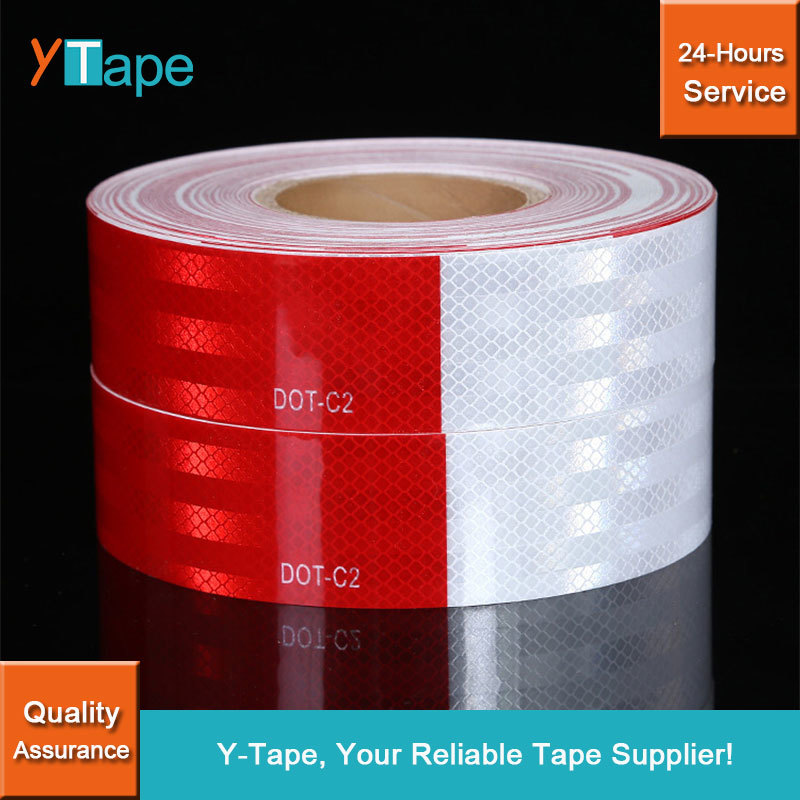
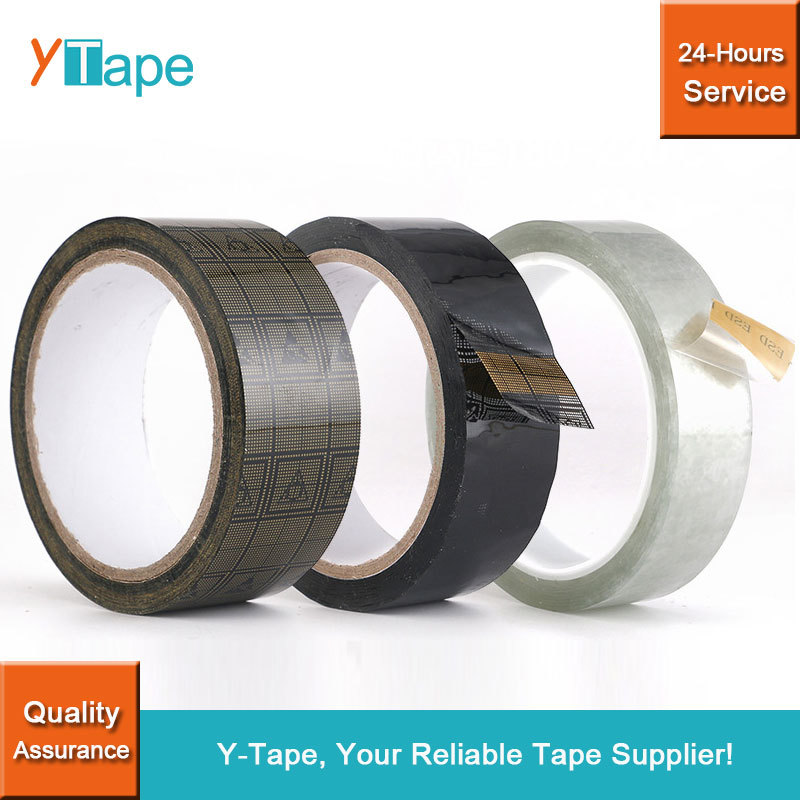
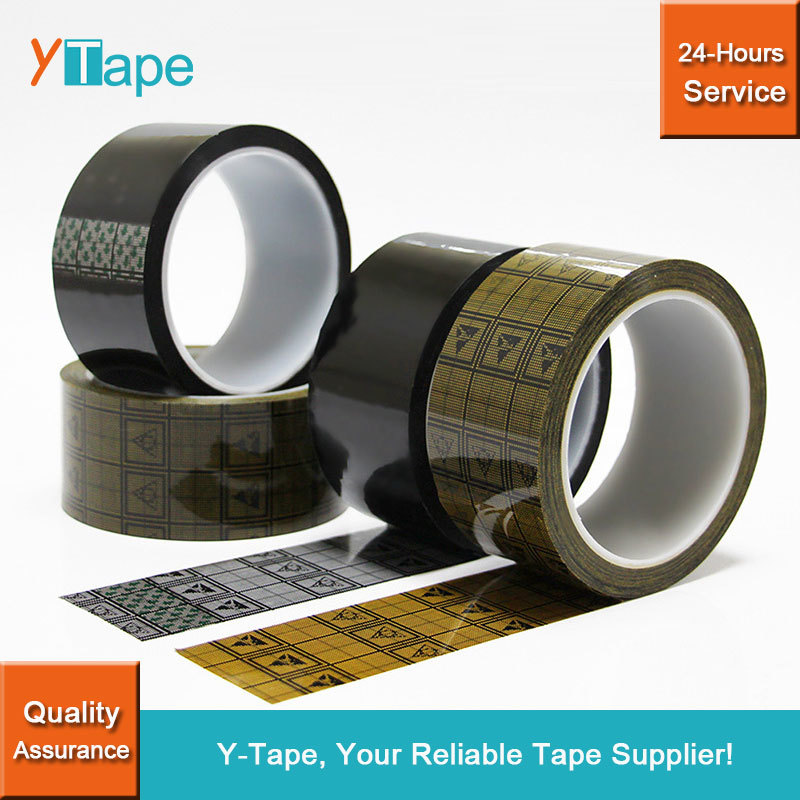

The main products contains EMI Shielding Tapes, High Temperature Tapes, Caution and Marking Tapes, Reflective Tapes, Glow in the Dark Tape, etc.
Add
Xiamen Outstanding New Material Co., Ltd
Add: 4th Floor, No. 388 Anbian Road, Min'an Street, Xiang'an Disctrict, Xiamen City, Fujian Province, China. 361101
MESSAGE