Esperanto
 Shqiptare
 Euskara
 Zulu
Zulu
 Latinus
 Cymraeg
 தமிழ்
தமிழ்
 Slovak
 Slovak
 Afrikaans


Why Antistatic Cellulose Tape is Essential for Your Electronics
Release time:
2024-10-16
Why Antistatic Cellulose Tape is Essential for Your Electronics Table of Contents Understanding Antistatic Cellulose Tape Why Electronics Need Antistatic Solutions Applications of Antistatic Cellulose Tape Benefits of Using Antistatic Cellulose Tape How to Choose the Right Antistatic Tape Best Practices for Using Antistatic Tape Common Misconceptions About Antistatic T

Why Antistatic Cellulose Tape is Essential for Your Electronics
Table of Contents
- Understanding Antistatic Cellulose Tape
- Why Electronics Need Antistatic Solutions
- Applications of Antistatic Cellulose Tape
- Benefits of Using Antistatic Cellulose Tape
- How to Choose the Right Antistatic Tape
- Best Practices for Using Antistatic Tape
- Common Misconceptions About Antistatic Tape
- Frequently Asked Questions (FAQs)
- Conclusion
Understanding Antistatic Cellulose Tape
Antistatic cellulose tape is a specialized adhesive tape designed to prevent the accumulation of static electricity. It is composed of cellulose, a natural polymer that is both environmentally friendly and effective in mitigating static charges. Unlike standard tape, antistatic cellulose tape incorporates additives that help dissipate static electricity, making it a reliable choice in the electronics sector.
This tape is particularly useful in environments where sensitive electronic components are present. Its antistatic properties ensure that static electricity does not interfere with the operation or integrity of the components, thus safeguarding them against potential damage.
Why Electronics Need Antistatic Solutions
Static electricity can wreak havoc on electronic devices. In manufacturing and repair settings, static charges can discharge and damage delicate components such as microchips and circuit boards. The consequences of such damage can be severe, leading to product failure, increased costs, and delays in production timelines.
The need for antistatic solutions in electronics is underscored by the following factors:
1. Protection from Electrostatic Discharge (ESD)
Electrostatic discharge (ESD) is a sudden flow of electricity between two objects caused by contact, an electrical short, or dielectric breakdown. It can cause irreversible damage to electronic components. Antistatic cellulose tape provides a protective barrier that reduces the risks associated with ESD, ensuring that electronic devices function correctly and last longer.
2. Enhanced Safety and Compliance
In many industries, compliance with safety standards is mandatory. Antistatic materials, including cellulose tape, help manufacturers meet these standards. By utilizing this tape, companies can ensure a safer working environment and avoid potential legal repercussions associated with ESD-related failures.
3. Cost Efficiency
Investing in antistatic solutions can lead to significant cost savings in the long run. By preventing static-related damages, businesses can avoid expensive repairs and replacements, thus enhancing their bottom line.
Applications of Antistatic Cellulose Tape
Antistatic cellulose tape has a wide array of applications within the electronics industry, providing solutions tailored to the specific needs of various sectors. Some of the primary applications include:
1. Circuit Board Manufacturing
During the manufacture of circuit boards, the use of antistatic cellulose tape can protect sensitive components from static discharge. The tape can be used to secure parts in place or to mask off areas that need protection during assembly.
2. Electronics Packaging
When packaging electronic components for shipping, using antistatic cellulose tape is crucial. It helps to ensure that products arrive at their destination without damage caused by static electricity.
3. Repair and Maintenance
In repair environments, antistatic cellulose tape is invaluable. It allows technicians to safely handle and work on electronic devices without the fear of static damage. This tape can also be used to secure components during the repair process.
4. Component Labeling
Antistatic cellulose tape can also serve as an effective solution for labeling components. It is easy to write on and adheres well, ensuring that labels remain intact during handling and transport.
Benefits of Using Antistatic Cellulose Tape
The advantages of using antistatic cellulose tape extend beyond merely protecting electronic components from static electricity. Here are some key benefits:
1. Environmentally Friendly
Cellulose is a biodegradable material, making antistatic cellulose tape a sustainable option. Companies looking to improve their environmental footprint can benefit from this eco-friendly alternative.
2. Versatile and Easy to Use
Antistatic cellulose tape is versatile and can be used in various applications without special tools or equipment. It is easy to cut, apply, and remove, allowing for seamless integration into any process.
3. Strong Adhesion
Despite its gentle properties, antistatic cellulose tape boasts strong adhesion capabilities. It adheres well to various surfaces without leaving a residue upon removal, making it ideal for temporary or permanent applications.
4. Wide Temperature Range
This type of tape can withstand a wide range of temperatures, making it suitable for use in various environments, from hot production lines to cold storage facilities.
How to Choose the Right Antistatic Tape
Choosing the right antistatic cellulose tape involves considering several factors to ensure it meets your specific needs:
1. Application Requirements
Different applications may require different types of adhesive strength or tape width. Assess your specific needs before making a purchase.
2. Thickness and Material
The thickness of the tape can influence its performance. Thicker tapes may provide better protection, while thinner tapes may be more suitable for delicate applications.
3. Adhesive Type
The adhesive used in the tape can impact its effectiveness and how it interacts with surfaces. Choose a tape with an adhesive that aligns with the surfaces it will adhere to.
4. ESD Rating
Check the ESD rating of the tape to ensure it offers adequate protection for your specific applications. Higher ratings provide greater assurance against static discharge.
Best Practices for Using Antistatic Tape
To maximize the advantages of antistatic cellulose tape, consider the following best practices:
1. Store Properly
Store antistatic tape in a cool, dry place to maintain its properties. Avoid exposing it to direct sunlight or extreme temperatures.
2. Clean Surfaces Before Application
Ensure that the surfaces to which the tape will be applied are clean and free of dust or grease. This enhances adhesion and effectiveness.
3. Use the Correct Tension
When applying the tape, be mindful of the tension used. Excessive tension can lead to tape failure or damage to the components.
4. Regular Inspections
Perform regular inspections of taped components to ensure that the tape remains intact and effective. Replace any damaged tape as necessary.
Common Misconceptions About Antistatic Tape
Many misconceptions surround antistatic tape. Here are a few clarifications:
1. All Tapes are Antistatic
Not all tapes possess antistatic properties. It is essential to choose a tape specifically labeled as "antistatic" to ensure adequate protection.
2. Antistatic Tape is Only for Electronics
While antistatic tape is predominantly used in electronics, it can also be beneficial in other industries where static electricity poses risks, such as healthcare and automotive.
3. Antistatic Means No Static
Antistatic does not mean completely static-free. It simply means that the tape reduces the likelihood of static buildup and discharge.
Frequently Asked Questions (FAQs)
1. What is the difference between antistatic tape and regular tape?
Antistatic tape is specifically formulated to prevent static electricity buildup, whereas regular tape does not offer these protective properties.
2. Can I use antistatic tape on all surfaces?
While antistatic tape adheres well to most surfaces, some materials may require specific types of adhesive for optimal performance. Always check compatibility before use.
3. How long can I store antistatic tape?
Antistatic tape can generally be stored for several years if kept in a proper environment, away from extreme temperatures and humidity.
4. Is antistatic tape reusable?
Antistatic tape is primarily designed for single use. However, it may be reused if it remains clean and retains its adhesive properties.
5. Where can I purchase antistatic cellulose tape?
Antistatic cellulose tape is available from various suppliers, including online retailers and specialty stores focused on electronics.
Conclusion
Antistatic cellulose tape plays an essential role in the electronics industry, offering protection against static discharge and ensuring the longevity of sensitive components. By understanding its benefits, applications, and the best practices for use, manufacturers and technicians can significantly enhance their operations. Investing in high-quality antistatic tape is not just a precaution; it's a strategic decision that can save time, money, and resources in the long run.
Keywords:
More information
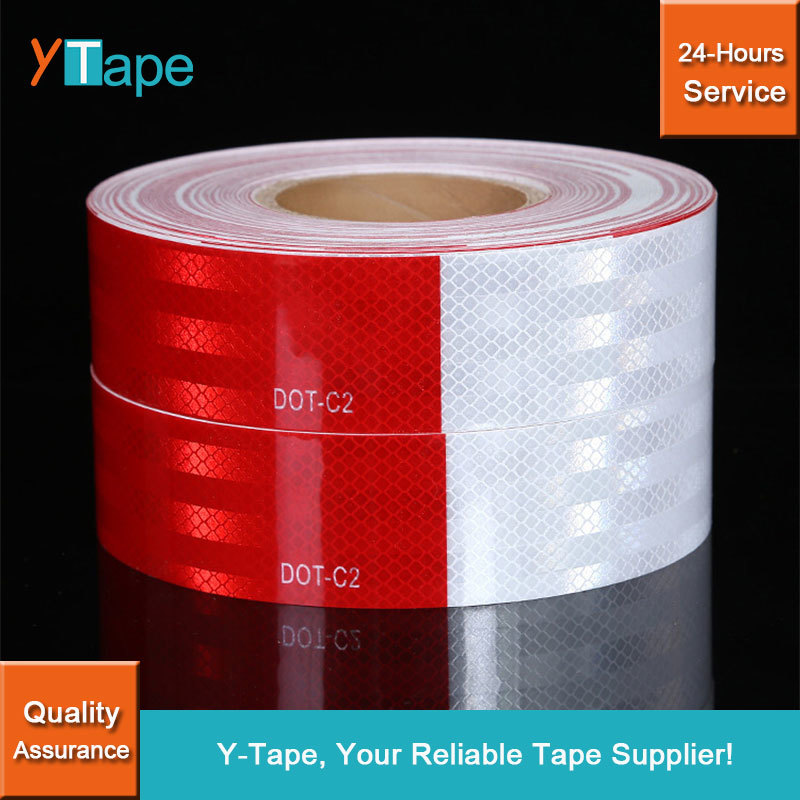
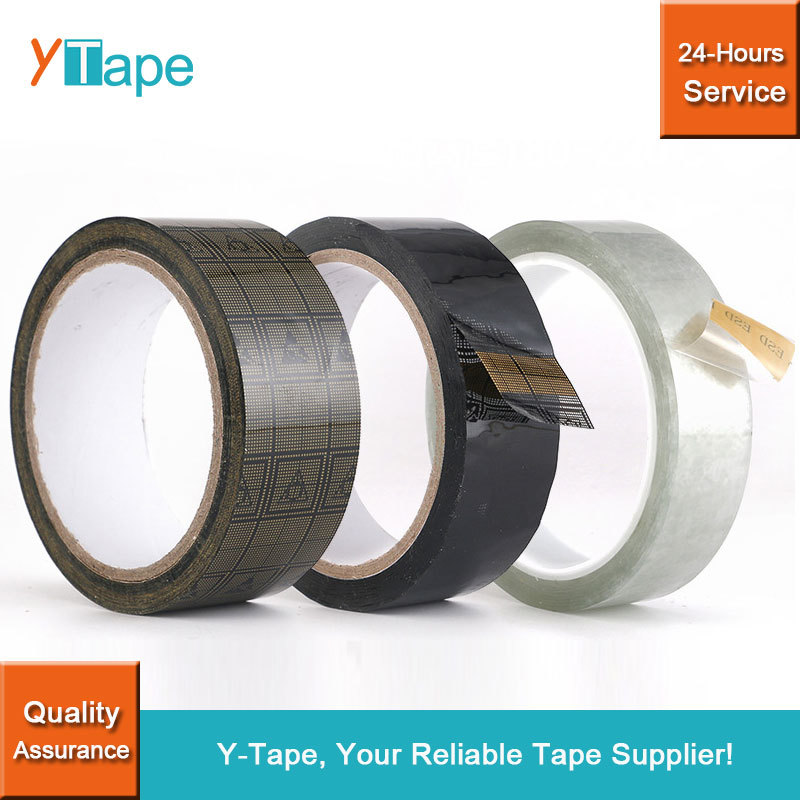
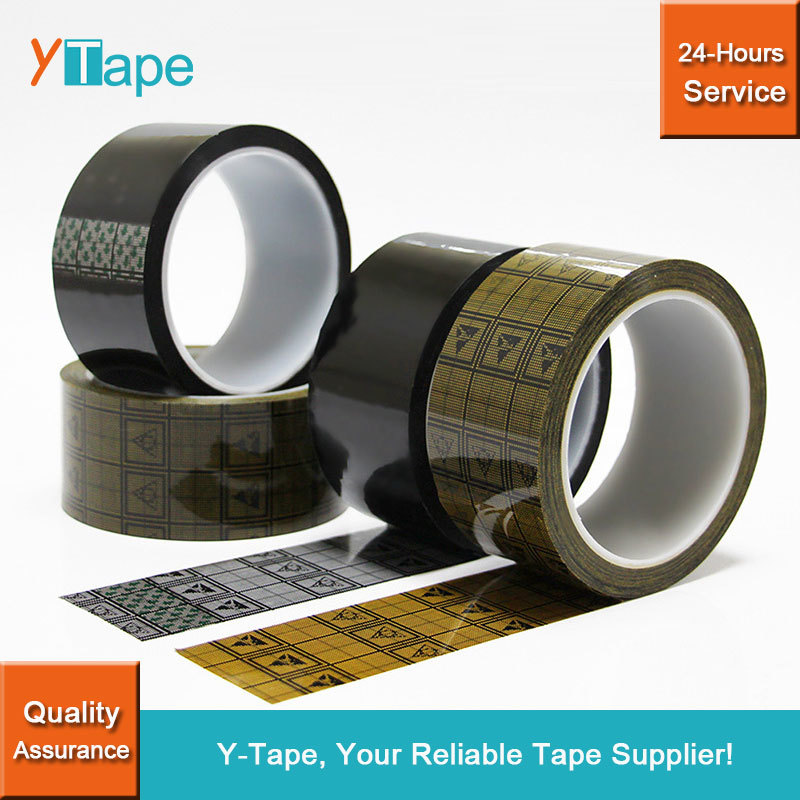

The main products contains EMI Shielding Tapes, High Temperature Tapes, Caution and Marking Tapes, Reflective Tapes, Glow in the Dark Tape, etc.
Add
Xiamen Outstanding New Material Co., Ltd
Add: 4th Floor, No. 388 Anbian Road, Min'an Street, Xiang'an Disctrict, Xiamen City, Fujian Province, China. 361101
MESSAGE