Esperanto
 Shqiptare
 Euskara
 Zulu
Zulu
 Latinus
 Cymraeg
 தமிழ்
தமிழ்
 Slovak
 Slovak
 Afrikaans


Understanding the Importance of EMI Shielding Gaskets in Industrial Equipment
Release time:
2024-10-08
Understanding the Importance of EMI Shielding Gaskets in Industrial Equipment Table of Contents What Are EMI Shielding Gaskets? The Importance of EMI Shielding in Industrial Equipment Types of EMI Shielding Gaskets Materials Used in EMI Shielding Gaskets Applications of EMI Shielding Gaskets in Industry Best Practices for Installation of EMI Shielding Gaskets Maintenance of EMI Shie

Understanding the Importance of EMI Shielding Gaskets in Industrial Equipment
Table of Contents
- What Are EMI Shielding Gaskets?
- The Importance of EMI Shielding in Industrial Equipment
- Types of EMI Shielding Gaskets
- Materials Used in EMI Shielding Gaskets
- Applications of EMI Shielding Gaskets in Industry
- Best Practices for Installation of EMI Shielding Gaskets
- Maintenance of EMI Shielding Gaskets
- Frequently Asked Questions
- Conclusion
What Are EMI Shielding Gaskets?
EMI shielding gaskets are specialized components designed to protect electronic devices and systems from electromagnetic interference (EMI). They act as barriers, preventing unwanted electrical signals from entering or exiting sensitive areas of industrial equipment. By doing so, they help maintain signal integrity, reduce noise, and enhance the overall performance of electronic components.
These gaskets can be made from various materials, including metal, rubber, and conductive fabrics, allowing them to adapt to different applications and environments. Their design incorporates unique features that enhance their effectiveness in shielding against EMI.
The Importance of EMI Shielding in Industrial Equipment
In an era where electronic devices are ubiquitous in industrial settings, the importance of EMI shielding cannot be overstated. Electromagnetic interference can originate from various sources, including motors, generators, and even wireless communication devices. If left unprotected, sensitive electronic components can suffer from performance degradation, data loss, or even complete failure.
1. **Protects Sensitive Components**: EMI shielding gaskets safeguard vital electronic circuits and components from disruptive signals, ensuring smooth operation.
2. **Enhances Reliability**: Applications requiring high reliability, such as medical and aerospace equipment, benefit significantly from the protection offered by EMI shielding gaskets.
3. **Regulatory Compliance**: Many industries are required to comply with specific EMI regulations. Using shielding gaskets can help manufacturers meet these standards.
4. **Improves Equipment Lifespan**: By reducing the risk of component damage due to EMI, these gaskets contribute to a longer lifespan for industrial machinery and equipment.
Types of EMI Shielding Gaskets
Several types of EMI shielding gaskets exist, each designed to address specific shielding needs. Understanding these types is crucial for selecting the right gasket for a given application.
Conductive Foam Gaskets
Conductive foam gaskets are made from flexible foam materials infused with conductive particles. They are ideal for applications with irregular surfaces, providing a conformable seal that maintains effective EMI shielding.
Metal Gaskets
Metal gaskets, often made from materials like copper or aluminum, provide excellent shielding capabilities. They are typically used in environments where robust protection is essential.
Conductive Elastomer Gaskets
These gaskets are made from rubber compounds with conductive fillers. Their flexibility and resilience make them suitable for dynamic applications where movement is involved.
Graphite Gaskets
Graphite gaskets offer a unique combination of thermal and electrical conductivity. They are effective in high-temperature environments and can withstand harsh conditions.
Materials Used in EMI Shielding Gaskets
The material used in EMI shielding gaskets significantly impacts their performance. Here are some commonly used materials:
Metal
Metal gaskets, such as those made from copper and aluminum, provide high conductivity and durability. They effectively attenuate EMI and are typically used in heavy-duty applications.
Rubber
Rubber gaskets are often used for their flexibility and ease of installation. When combined with conductive fillers, they offer a good balance between shielding effectiveness and resilience.
Fabric
Conductive fabrics are often used in applications where weight and flexibility are critical. These materials can be sewn or bonded to create effective shielding solutions.
Graphite
Graphite gaskets offer an excellent solution for high-temperature applications. They provide consistent shielding effectiveness over a wide range of temperatures.
Applications of EMI Shielding Gaskets in Industry
EMI shielding gaskets find applications in various industrial sectors, including:
Telecommunications
In the telecommunications industry, EMI shielding gaskets are crucial for protecting sensitive equipment from interference that can disrupt signal transmission.
Aerospace and Defense
In aerospace applications, where reliability is paramount, EMI shielding gaskets help ensure that electronic systems function correctly under extreme conditions.
Medical Devices
The medical industry relies on EMI shielding gaskets to protect sensitive diagnostic equipment and ensure accurate results.
Consumer Electronics
In consumer electronics, these gaskets prevent interference that could affect device performance, providing a better user experience.
Best Practices for Installation of EMI Shielding Gaskets
To ensure maximum effectiveness, it’s essential to follow best practices during the installation of EMI shielding gaskets. Here are some key considerations:
1. **Surface Preparation**: Clean the surfaces where the gasket will be installed to remove dirt, oil, or other contaminants that could affect adhesion.
2. **Correct Alignment**: Ensure the gasket is aligned correctly with the components it will shield. Misalignment can lead to gaps that reduce shielding effectiveness.
3. **Proper Compression**: Ensure the gasket is compressed adequately during installation. This helps create a tight seal and enhances shielding performance.
4. **Use of Adhesives**: Depending on the application, consider using adhesives to secure the gasket in place. This can improve durability and reduce the risk of dislodgement.
Maintenance of EMI Shielding Gaskets
Regular maintenance of EMI shielding gaskets is critical to ensure their continued performance. Here are some tips for maintaining these components:
1. **Regular Inspections**: Periodically inspect gaskets for signs of wear, damage, or degradation. Early detection of issues can prevent more significant problems down the line.
2. **Cleaning**: Keep gaskets clean by removing debris and contaminants. Use appropriate cleaning agents that do not damage the gasket material.
3. **Replacement**: If a gasket shows significant wear or has been compromised, replace it promptly to maintain EMI shielding effectiveness.
4. **Documentation**: Keep records of inspections and maintenance activities to track the condition of gaskets over time. This can help with future decision-making.
Frequently Asked Questions
What is the primary function of EMI shielding gaskets?
EMI shielding gaskets primarily serve to protect electronic components from electromagnetic interference, ensuring the integrity of signals and the reliability of equipment.
How do I choose the right EMI shielding gasket for my application?
Selecting the right gasket involves considering factors such as the environment, the type of interference, and the specific requirements of the equipment being protected.
Can I install EMI shielding gaskets myself?
Yes, installation can be done by following best practices and ensuring proper surface preparation and alignment. However, for complex applications, professional assistance may be beneficial.
How often should EMI shielding gaskets be inspected?
It is advisable to inspect gaskets at regular intervals, especially in high-use environments. A quarterly inspection schedule is a good starting point.
What are the signs that an EMI shielding gasket needs replacement?
Signs of wear, such as cracks, tears, or loss of compression, indicate that a gasket may need to be replaced to ensure continued effectiveness.
Conclusion
In conclusion, EMI shielding gaskets play a vital role in maintaining the functionality and reliability of industrial equipment. By safeguarding sensitive electronic components from electromagnetic interference, these gaskets enhance performance, ensure regulatory compliance, and extend the lifespan of machinery. Understanding the types, materials, applications, and best practices associated with EMI shielding gaskets is essential for making informed decisions in industrial settings. As technology continues to evolve, the importance of robust EMI shielding solutions will only increase, making it imperative for industries to prioritize these critical components in their operations.
Keywords:
More information
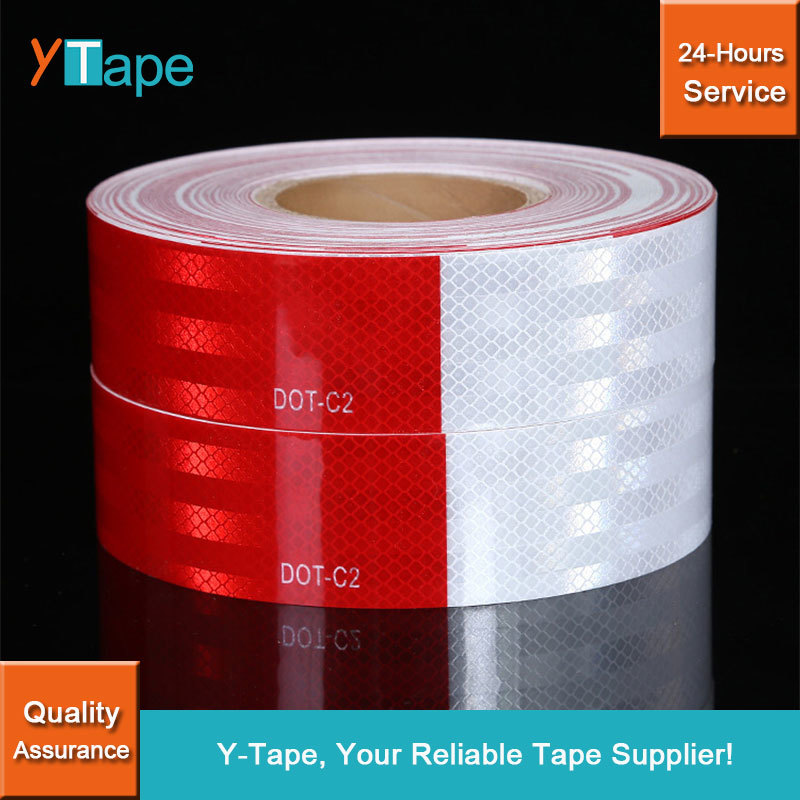
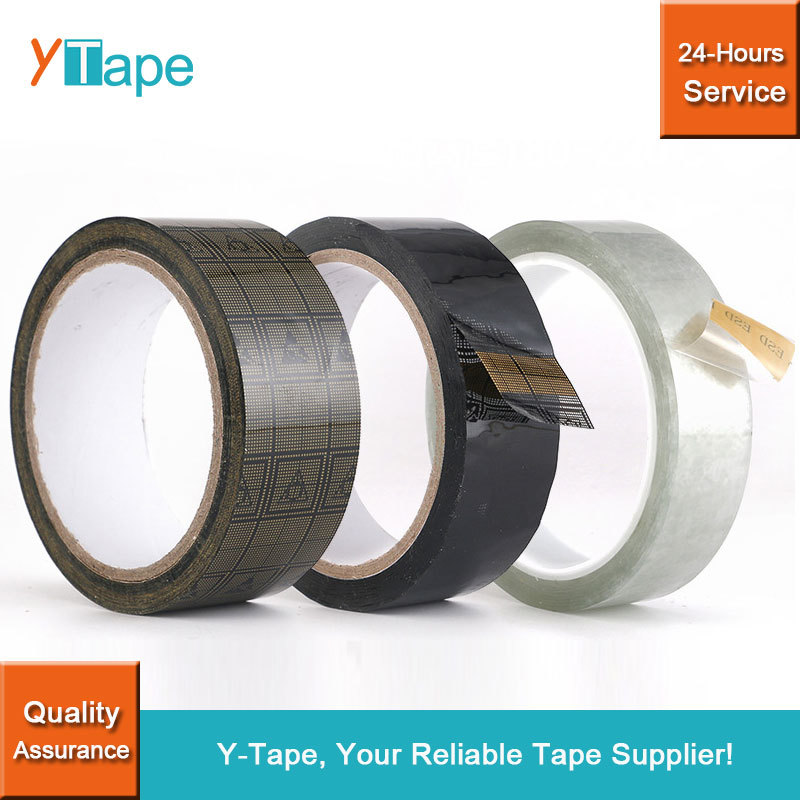
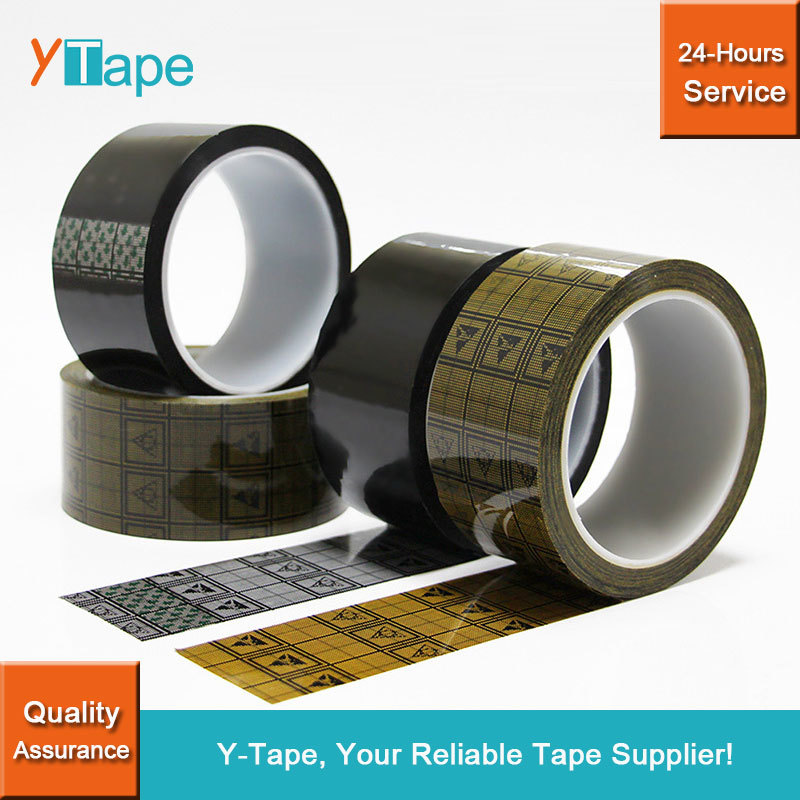

The main products contains EMI Shielding Tapes, High Temperature Tapes, Caution and Marking Tapes, Reflective Tapes, Glow in the Dark Tape, etc.
Add
Xiamen Outstanding New Material Co., Ltd
Add: 4th Floor, No. 388 Anbian Road, Min'an Street, Xiang'an Disctrict, Xiamen City, Fujian Province, China. 361101
MESSAGE