Esperanto
 Shqiptare
 Euskara
 Zulu
Zulu
 Latinus
 Cymraeg
 தமிழ்
தமிழ்
 Slovak
 Slovak
 Afrikaans


Why Splice Tape is a Game-Changer for Your DIY Projects
Release time:
2024-10-04
Why Splice Tape is a Game-Changer for Your DIY Projects Table of Contents 1. Introduction to Splice Tape 2. What is Splice Tape? 3. Benefits of Using Splice Tape for DIY Projects 4. Common Applications of Splice Tape in DIY 5. How to Use Splice Tape Effectively 6. Tips for Choosing the Right Splice Tape 7. Frequently Asked Questions 8. Conclusion 1. Introduction t
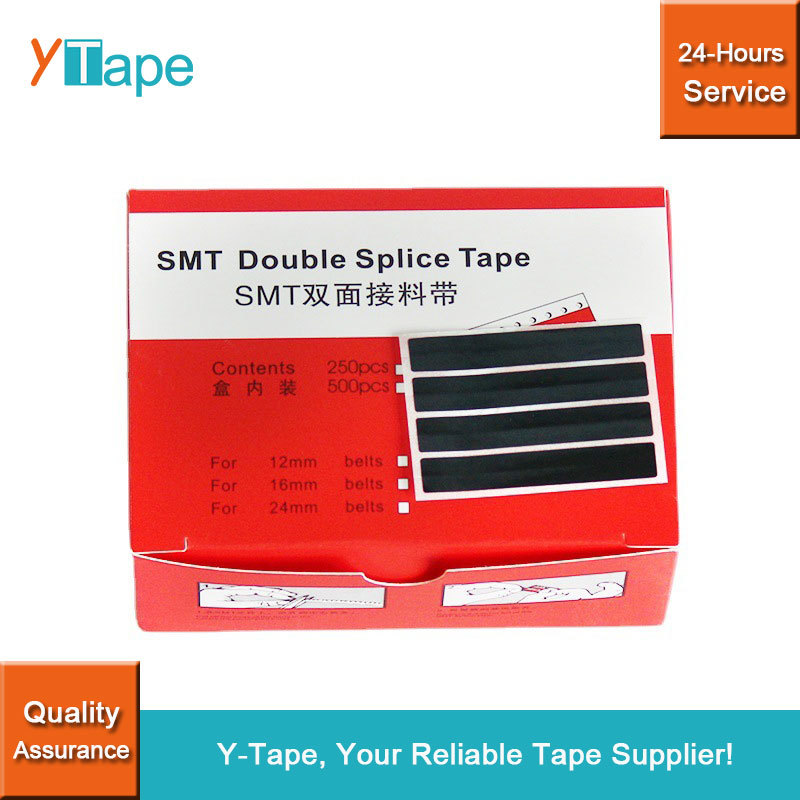
Why Splice Tape is a Game-Changer for Your DIY Projects
Table of Contents
- 1. Introduction to Splice Tape
- 2. What is Splice Tape?
- 3. Benefits of Using Splice Tape for DIY Projects
- 4. Common Applications of Splice Tape in DIY
- 5. How to Use Splice Tape Effectively
- 6. Tips for Choosing the Right Splice Tape
- 7. Frequently Asked Questions
- 8. Conclusion
1. Introduction to Splice Tape
When it comes to DIY projects, having the right tools and materials can make all the difference. One often-overlooked material is **splice tape**, an adhesive that can transform your project outcomes. Whether you're working on simple crafts or intricate repairs, understanding the advantages and applications of splice tape will enhance your results and efficiency.
2. What is Splice Tape?
**Splice tape** is a specialized adhesive tape designed primarily for joining materials together. This unique tape features a durable backing and a strong adhesive, making it ideal for a wide range of applications. It is often made from high-quality materials like polyester or polypropylene, which contribute to its strength and versatility. Unlike traditional tapes, splice tape offers superior bonding capabilities, ensuring that your projects remain intact even under stress.
3. Benefits of Using Splice Tape for DIY Projects
Using splice tape in your DIY projects presents a host of benefits:
3.1 Enhanced Durability
Splice tape is designed to withstand wear and tear, ensuring that your repairs and creations last longer. Its robust adhesive guarantees a strong bond, which is essential for projects subjected to movement or pressure.
3.2 Versatile Applications
From crafting to home repairs, splice tape can be used in various contexts. Its adaptability makes it a go-to solution for numerous DIY enthusiasts.
3.3 Easy to Use
Even if you're a beginner, splice tape is straightforward to handle. Simply cut it to size and apply it where needed, making it an accessible option for all skill levels.
3.4 Cost-Effective
Investing in splice tape can save you money in the long run. Its durability means fewer replacements and repairs, allowing you to allocate your budget to other materials or tools.
3.5 Professional Finish
One of the standout features of splice tape is its ability to create a clean, professional appearance. Whether you're finishing a craft project or conducting repairs, splice tape helps maintain an aesthetically pleasing look.
4. Common Applications of Splice Tape in DIY
The following are some of the most common applications for splice tape in DIY projects:
4.1 Crafting
For art enthusiasts and hobbyists, splice tape is perfect for joining paper, fabric, or other materials together without compromising the aesthetics of the project.
4.2 Home Repairs
Splice tape can be used to repair broken items, such as furniture, electronics, or even books. Its strong adhesive creates seamless repairs that often look as good as new.
4.3 Labeling and Organizing
Using splice tape for labeling can help you create organized spaces. You can write directly on the tape and stick it on boxes or containers, providing a neat solution for your storage needs.
4.4 Automotive Repairs
In automotive DIY projects, splice tape is often used for temporary fixes, such as securing loose wires or sealing minor leaks until permanent repairs can be made.
4.5 Electrical Applications
Splice tape is utilized in electrical projects for insulation and protection. Its strong bonding properties ensure that electrical components stay secure and safe.
5. How to Use Splice Tape Effectively
To maximize the benefits of splice tape, follow these steps for effective use:
5.1 Prepare the Surface
Ensure that the surfaces you plan to bond are clean and dry. Remove any dirt, dust, or grease to enhance adhesion.
5.2 Cut to Size
Measure and cut the splice tape to the desired length. A precise cut will ensure a better fit and a stronger hold.
5.3 Apply Firmly
Position the splice tape where needed and press it down firmly. For optimal bonding, apply even pressure across the entire surface area.
5.4 Allow for Curing Time
Depending on the specific type of splice tape and your project, allow the adhesive to cure for the recommended time before putting stress on the bond.
6. Tips for Choosing the Right Splice Tape
Selecting the right splice tape can enhance your DIY experience. Consider the following tips:
6.1 Assess Your Project Needs
Different projects require different types of splice tape. Determine whether you need a tape with high temperature resistance, water resistance, or a specific thickness.
6.2 Read Product Reviews
Before purchasing, check customer reviews and testimonials. This will give you insight into the performance and reliability of the tape.
6.3 Check Compatibility
Ensure that the splice tape you choose is compatible with the materials you are working with. Some tapes perform better on specific surfaces.
6.4 Purchase from Reputable Brands
Opt for well-known brands that specialize in adhesive products. This ensures that you are getting a quality product that meets your expectations.
7. Frequently Asked Questions
7.1 Can splice tape be removed easily?
Yes, splice tape can be removed without damaging most surfaces. However, it’s essential to follow the removal instructions carefully to avoid residue.
7.2 Is splice tape waterproof?
Many types of splice tape are water-resistant, making them suitable for outdoor projects or areas prone to moisture.
7.3 How does splice tape differ from regular tape?
Splice tape offers superior bonding strength and durability compared to regular tape, making it suitable for more demanding applications.
7.4 Can I use splice tape on fabric?
Yes, splice tape can be applied to fabric. It's an excellent option for temporary fabric repairs or creating seamless designs in crafts.
7.5 What should I do if splice tape doesn't adhere well?
If splice tape isn't adhering properly, check the surface for cleanliness and dryness. You may also need to apply more pressure during application.
8. Conclusion
In conclusion, splice tape is more than just an adhesive; it’s a **game-changer** for DIY enthusiasts. Its unique properties and versatility make it an indispensable tool for crafting, repairs, and organization. By understanding how to utilize splice tape effectively, you can elevate your DIY projects to a professional standard. Whether you are a seasoned DIYer or just starting, incorporating splice tape into your toolkit will undoubtedly enhance your creativity and efficiency. Embrace the potential of splice tape and see how it transforms your projects today!
Keywords:
More information
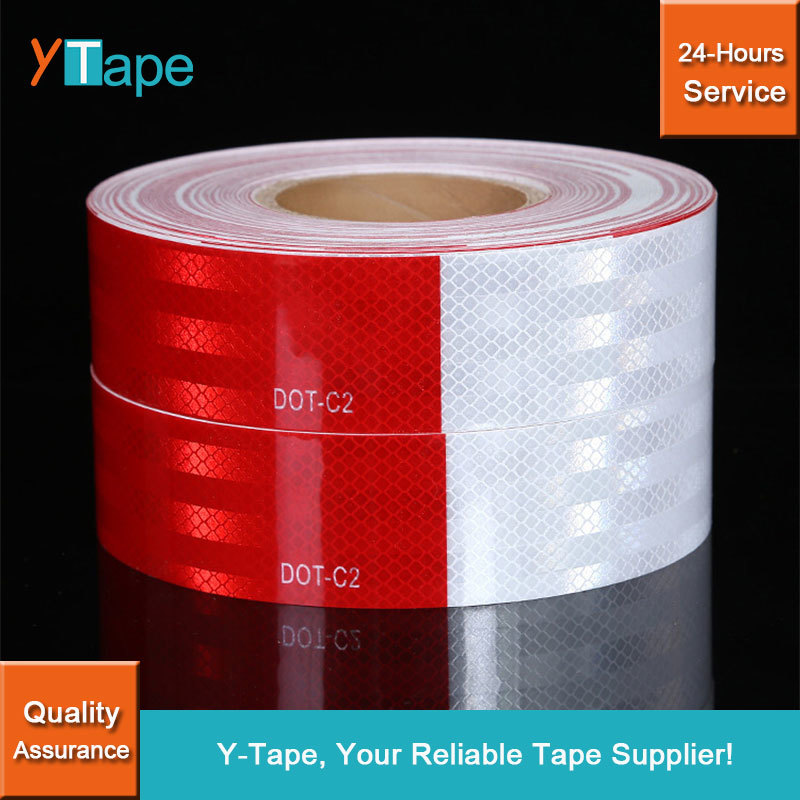
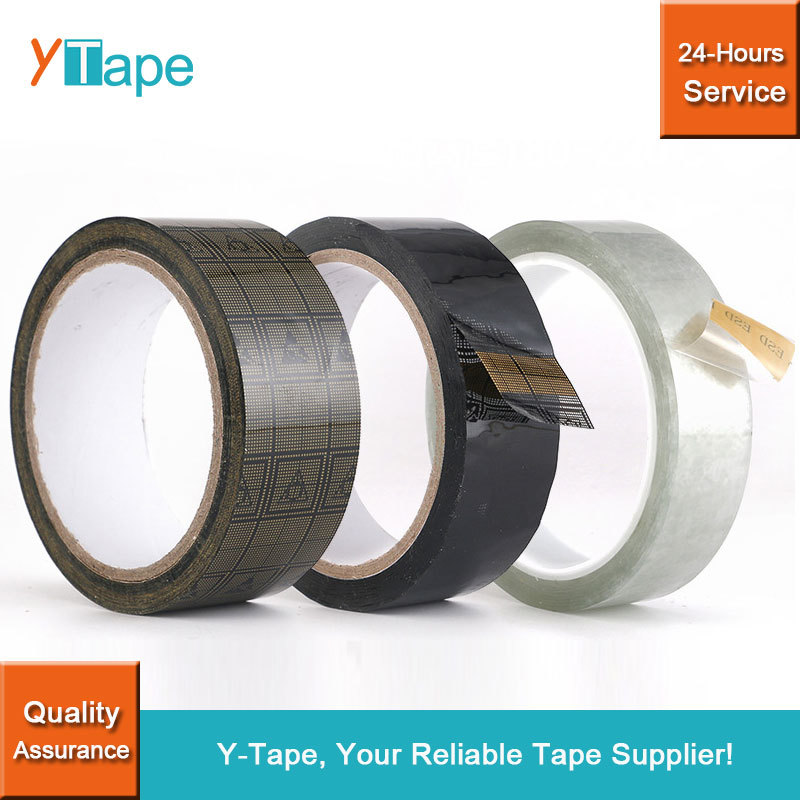
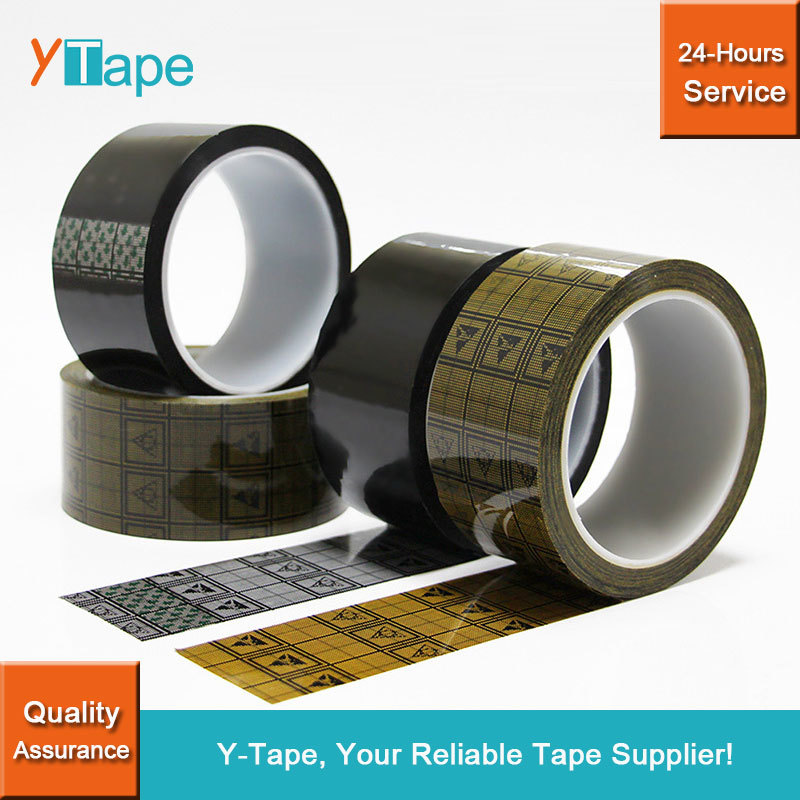

The main products contains EMI Shielding Tapes, High Temperature Tapes, Caution and Marking Tapes, Reflective Tapes, Glow in the Dark Tape, etc.
Add
Xiamen Outstanding New Material Co., Ltd
Add: 4th Floor, No. 388 Anbian Road, Min'an Street, Xiang'an Disctrict, Xiamen City, Fujian Province, China. 361101
MESSAGE