Esperanto
 Shqiptare
 Euskara
 Zulu
Zulu
 Latinus
 Cymraeg
 தமிழ்
தமிழ்
 Slovak
 Slovak
 Afrikaans


How to Choose the Right Thermal Conductive Tape for Your Projects
Release time:
2024-09-30
How to Choose the Right Thermal Conductive Tape for Your Projects Table of Contents 1. Introduction to Thermal Conductive Tape 2. Understanding the Properties of Thermal Conductive Tape 3. Types of Thermal Conductive Tape 3.1 Silicone-Based Thermal Conductive Tape 3.2 Epoxy-Based Thermal Conductive Tape 3.3 Polyimide Thermal Conductive Tape 4. Applications of T

How to Choose the Right Thermal Conductive Tape for Your Projects
Table of Contents
- 1. Introduction to Thermal Conductive Tape
- 2. Understanding the Properties of Thermal Conductive Tape
- 3. Types of Thermal Conductive Tape
- 3.1 Silicone-Based Thermal Conductive Tape
- 3.2 Epoxy-Based Thermal Conductive Tape
- 3.3 Polyimide Thermal Conductive Tape
- 4. Applications of Thermal Conductive Tape
- 5. How to Choose the Right Thermal Conductive Tape for Your Projects
- 5.1 Consider Heat Conductivity
- 5.2 Evaluate Thickness and Adhesion
- 5.3 Check Temperature Resistance
- 5.4 Assess Environmental Resistance
- 6. Common Mistakes to Avoid When Choosing Thermal Conductive Tape
- 7. Frequently Asked Questions
- 8. Conclusion
1. Introduction to Thermal Conductive Tape
Thermal conductive tape serves a crucial role in various applications, particularly in electronics and thermal management projects. It is designed to facilitate heat transfer between components, ensuring that devices operate efficiently and remain within safe temperature limits. As technology continues to advance, the demand for reliable thermal conductive solutions grows. Therefore, understanding how to select the right thermal conductive tape for your specific projects is essential for achieving optimal performance.
2. Understanding the Properties of Thermal Conductive Tape
When navigating the world of thermal conductive tape, it is important to comprehend its key properties. This understanding will enable you to make informed decisions based on your project's requirements.
Thermal Conductivity
Thermal conductivity is the primary attribute that defines how efficiently a material can transfer heat. Measured in watts per meter-kelvin (W/mK), higher thermal conductivity values indicate more effective heat transfer. It is essential to match the tape's thermal conductivity with the demands of your application.
Adhesive Strength
The adhesive strength of thermal conductive tape affects how well it bonds to surfaces and maintains contact under various conditions. Strong adhesion is necessary to ensure that the tape effectively dissipates heat without delaminating.
Temperature Resistance
Temperature resistance is another critical factor. Different projects may require varying temperature ranges, so verifying the tape's ability to withstand high or low temperatures is vital.
Environmental Resistance
Assessing environmental resistance will help determine how well the tape can endure exposure to moisture, chemicals, and other external factors that may compromise its performance.
3. Types of Thermal Conductive Tape
Choosing the right type of thermal conductive tape is fundamental to achieving your project's goals. Below are some common types, each with unique characteristics and applications.
3.1 Silicone-Based Thermal Conductive Tape
Silicone-based thermal conductive tape is known for its flexibility and excellent heat resistance. It is ideal for applications involving irregular surfaces or components that require some movement. This type of tape also offers good adhesion and can withstand high temperatures, making it suitable for various electronic devices.
3.2 Epoxy-Based Thermal Conductive Tape
Epoxy-based thermal conductive tape provides superior adhesion and is often used in demanding applications that require robust bonding. It offers excellent thermal conductivity and can endure harsh environmental conditions. This type of tape is commonly found in automotive and aerospace applications, where reliability is paramount.
3.3 Polyimide Thermal Conductive Tape
Polyimide thermal conductive tape is renowned for its high thermal resistance and exceptional performance at elevated temperatures. It is often used in electronics and semiconductor industries, where precision and reliability are vital. This tape also provides excellent insulation properties, making it suitable for applications involving sensitive components.
4. Applications of Thermal Conductive Tape
Thermal conductive tape has a wide range of applications across various industries. Understanding these applications can help you identify the best tape for your specific needs.
Electronics
In the electronics industry, thermal conductive tape is used to bond heat sinks to devices, ensuring efficient heat dissipation. It is commonly found in computers, smartphones, and LED lighting systems.
Automotive
Automotive manufacturers utilize thermal conductive tape for bonding electronic components and managing heat in electric vehicles, batteries, and power electronics.
Aerospace
In the aerospace sector, thermal conductive tape is crucial for maintaining the performance of sensitive electronic systems in harsh environments. It helps manage heat in avionics and communication systems.
5. How to Choose the Right Thermal Conductive Tape for Your Projects
Selecting the appropriate thermal conductive tape involves careful consideration of various factors to ensure it meets your project's requirements.
5.1 Consider Heat Conductivity
Evaluate the thermal conductivity of the tape. A tape with higher conductivity will facilitate better heat transfer. Match the tape's thermal properties with the heat generated by your components for optimal performance.
5.2 Evaluate Thickness and Adhesion
The thickness of thermal conductive tape can affect its performance. Thicker tapes may offer better heat dissipation but could also introduce challenges in terms of adhesion. Consider the surface characteristics and required bond strength when evaluating thickness.
5.3 Check Temperature Resistance
Always check the temperature rating of the tape to ensure it can withstand the operational environment. Choose tapes that can handle the maximum temperature your components will generate.
5.4 Assess Environmental Resistance
If your application involves exposure to moisture, chemicals, or other environmental factors, select a tape designed to withstand these conditions. This will ensure long-lasting performance and reliability.
6. Common Mistakes to Avoid When Choosing Thermal Conductive Tape
Navigating the selection process can be tricky, and certain common mistakes can lead to suboptimal choices.
Overlooking Adhesive Strength
Choosing a tape with insufficient adhesive strength can lead to failure in thermal management. Always verify the tape's bonding capabilities.
Ignoring Manufacturer Specifications
Failing to consider manufacturer specifications can result in poor performance. Always refer to technical data sheets to understand the tape's capabilities.
Not Testing Before Full-Scale Use
Skipping the testing phase can lead to significant setbacks. Always conduct preliminary tests to ensure the tape performs as expected in your specific application.
7. Frequently Asked Questions
Q1: What is thermal conductive tape used for?
A1: Thermal conductive tape is primarily used for efficient heat transfer between electronic components, ensuring they operate within safe temperature limits.
Q2: How do I determine the right thickness for thermal conductive tape?
A2: The right thickness depends on the surface characteristics and the required bond strength. Generally, thicker tapes can provide better heat dissipation.
Q3: Can thermal conductive tape be used outdoors?
A3: It depends on the tape's environmental resistance. Always choose a tape that is rated for outdoor use if it will be exposed to the elements.
Q4: Is thermal conductive tape reusable?
A4: Most thermal conductive tapes are not designed for reuse and may lose their adhesive properties once removed.
Q5: What factors affect the price of thermal conductive tape?
A5: The price can vary based on material composition, thermal conductivity, adhesive strength, and brand reputation.
8. Conclusion
Selecting the right thermal conductive tape is integral to the success of your projects, especially in fields such as electronics, automotive, and aerospace. By understanding the properties, types, and applications of thermal conductive tape, as well as avoiding common mistakes, you can make informed decisions that enhance efficiency and reliability. Ensure that you consider all relevant factors, including heat conductivity, adhesive strength, temperature resistance, and environmental resilience, to choose a tape that meets your specific needs. Investing time in the right selection will yield long-term benefits in performance and durability.
Keywords:
More information
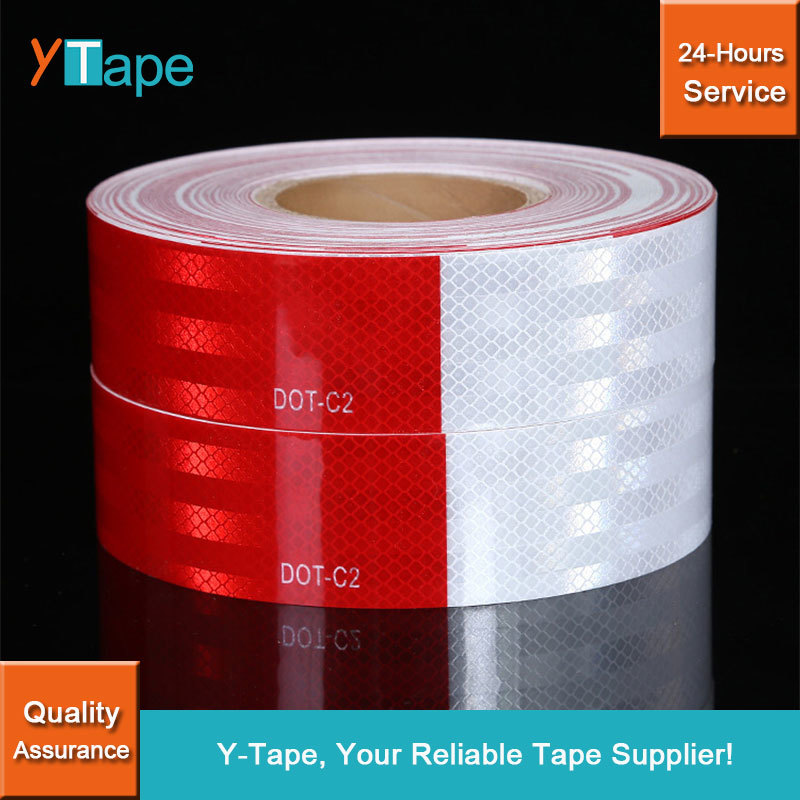
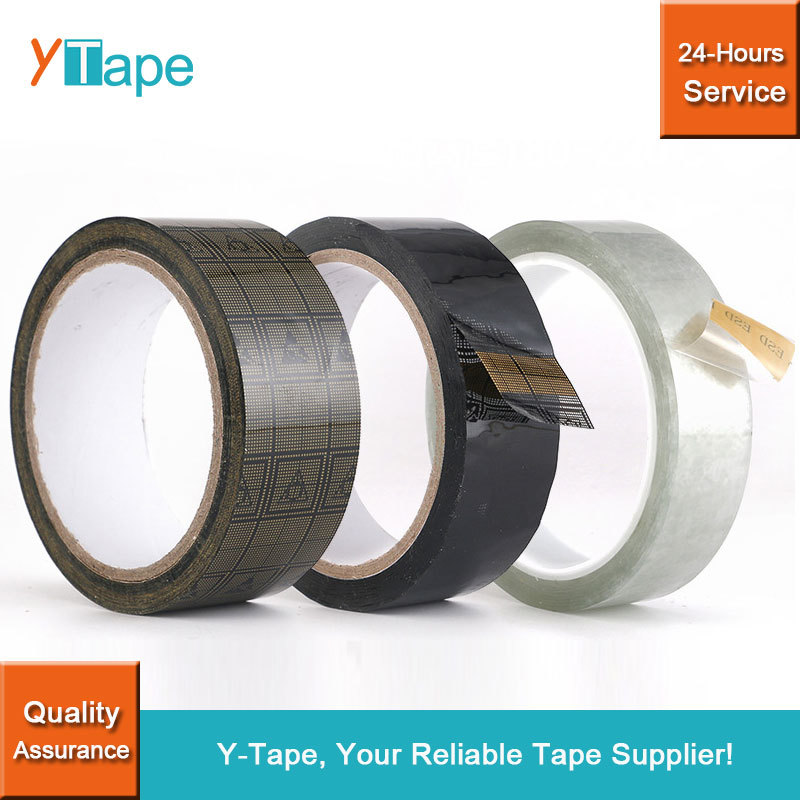
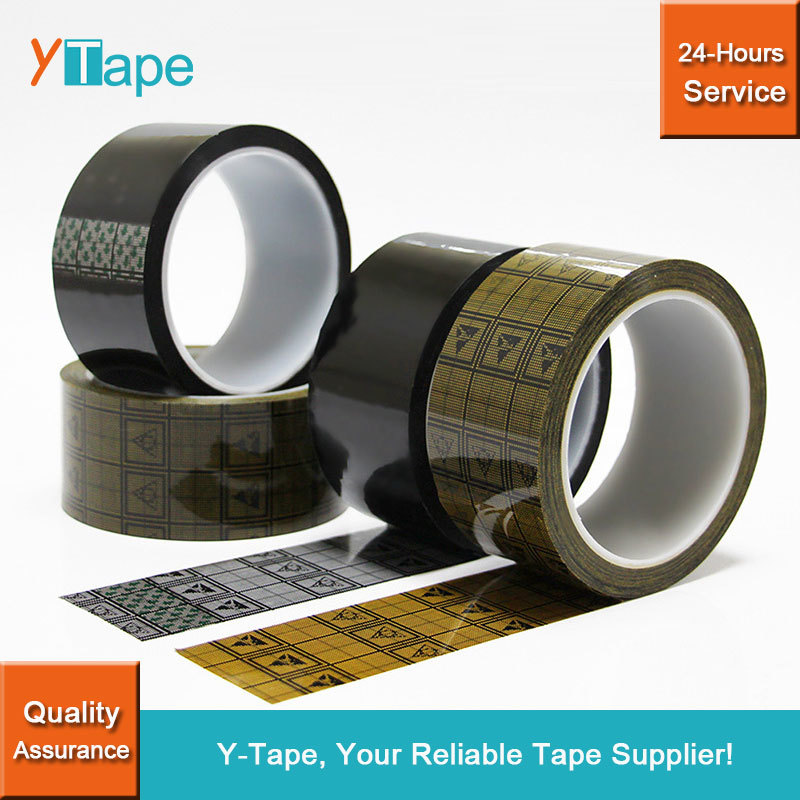

The main products contains EMI Shielding Tapes, High Temperature Tapes, Caution and Marking Tapes, Reflective Tapes, Glow in the Dark Tape, etc.
Add
Xiamen Outstanding New Material Co., Ltd
Add: 4th Floor, No. 388 Anbian Road, Min'an Street, Xiang'an Disctrict, Xiamen City, Fujian Province, China. 361101
MESSAGE