Esperanto
 Shqiptare
 Euskara
 Zulu
Zulu
 Latinus
 Cymraeg
 தமிழ்
தமிழ்
 Slovak
 Slovak
 Afrikaans


Maximizing Efficiency with High-Quality Splice Tape Applications: A Comprehensive Guide
Release time:
2024-08-22
Maximizing Efficiency with High-Quality Splice Tape Applications Table of Contents 1. Introduction to Splice Tape and Its Importance in Industry 2. Understanding Splice Tape: Composition and Characteristics 3. Different Types of Splice Tape and Their Applications 3.1. Polypropylene Splice Tape 3.2. Polyester Splice Tape 3.3. Paper Splice Ta
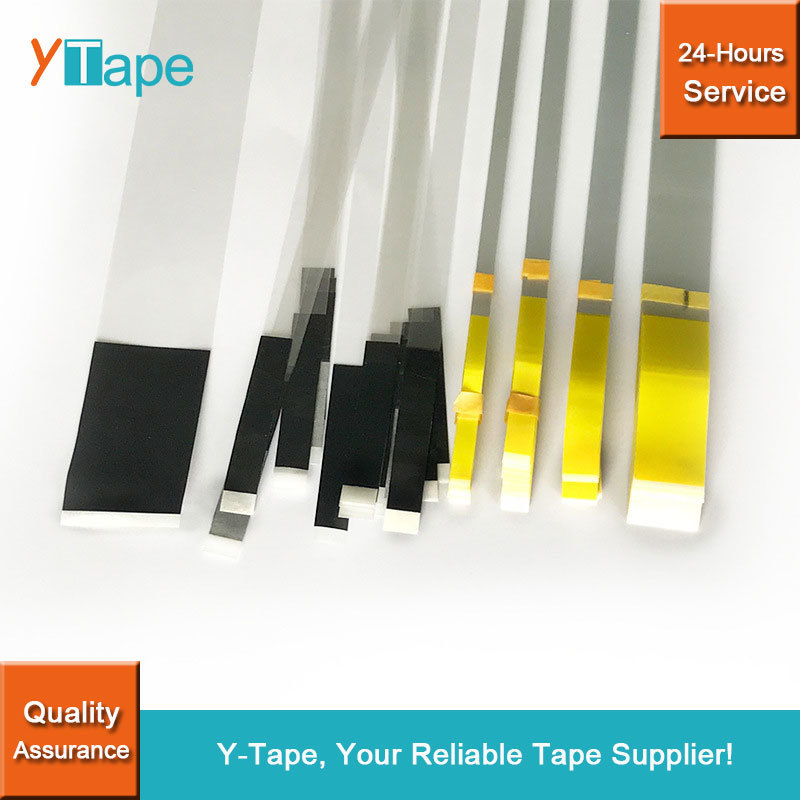
Maximizing Efficiency with High-Quality Splice Tape Applications
Table of Contents
- 1. Introduction to Splice Tape and Its Importance in Industry
- 2. Understanding Splice Tape: Composition and Characteristics
- 3. Different Types of Splice Tape and Their Applications
- 3.1. Polypropylene Splice Tape
- 3.2. Polyester Splice Tape
- 3.3. Paper Splice Tape
- 4. Key Benefits of Using High-Quality Splice Tape
- 4.1. Improved Adhesion and Bonding
- 4.2. Enhanced Durability and Longevity
- 4.3. Cost-Efficiency and Waste Reduction
- 5. Best Practices for Applying Splice Tape Efficiently
- 6. Industry Case Studies: Successful Splice Tape Applications
- 7. Troubleshooting Common Issues with Splice Tape
- 8. Conclusion: Embracing Splice Tape for Maximum Efficiency
- 9. Frequently Asked Questions (FAQs)
1. Introduction to Splice Tape and Its Importance in Industry
In today’s fast-paced industrial landscape, efficiency is paramount. One tool that can significantly enhance operational productivity is **splice tape**. Often overlooked, this adhesive product plays a crucial role in various applications across multiple sectors, including manufacturing and packaging. By understanding its functionality and advantages, businesses can harness the power of splice tape to streamline their processes.
2. Understanding Splice Tape: Composition and Characteristics
Splice tape is generally composed of a backing material coated with a strong adhesive. Its design is optimized for applications where a seamless bond is required, such as in the conjunction of materials or in the repair of substrates. Here are some characteristics that make splice tape indispensable:
- **High Adhesive Strength**: Ensures secure bonding to various surfaces.
- **Versatility**: Works well on different materials including paper, plastics, and metals.
- **Heat Resistance**: Suitable for applications exposed to high temperatures.
- **Easy Application**: Can be applied quickly and effectively, reducing downtime.
3. Different Types of Splice Tape and Their Applications
Selecting the correct type of splice tape is crucial for achieving desired results. Each type boasts unique properties that cater to specific needs.
3.1. Polypropylene Splice Tape
Polypropylene splice tape is known for its high tensile strength and durability. It is often used in packaging applications where a strong, moisture-resistant seal is necessary. Its lightweight design makes it ideal for high-speed production lines.
3.2. Polyester Splice Tape
This type excels in high-temperature environments. Polyester splice tape is commonly employed in electronics and automotive industries where heat resistance is critical. Its robust adhesive provides a long-lasting bond.
3.3. Paper Splice Tape
Paper splice tape is primarily used in the printing and converting industries. It is easy to tear and can be utilized for quick fixes and temporary bonding. Its cost-effectiveness makes it a popular choice for short-run projects.
4. Key Benefits of Using High-Quality Splice Tape
Investing in high-quality splice tape translates into numerous benefits for businesses. Understanding these can help inform purchasing decisions.
4.1. Improved Adhesion and Bonding
High-quality splice tape offers superior adhesion compared to lower-grade alternatives. This ensures that materials stay bonded under stress, reducing the likelihood of production interruptions.
4.2. Enhanced Durability and Longevity
Durable splice tapes are designed to withstand harsh conditions, including moisture, temperature fluctuations, and heavy handling. This longevity means fewer replacements and less waste.
4.3. Cost-Efficiency and Waste Reduction
By providing reliable performance, high-quality splice tape minimizes material waste and reduces the costs associated with repairs and replacements, leading to increased overall cost-effectiveness.
5. Best Practices for Applying Splice Tape Efficiently
To maximize the benefits of splice tape, proper application techniques should be employed:
- **Surface Preparation**: Ensure that the surfaces to be bonded are clean and free of debris. This enhances adhesive performance.
- **Temperature Considerations**: Apply tape at the recommended temperature range for optimal bonding.
- **Pressure Application**: Use consistent pressure during application to ensure complete adhesion.
- **Storage Conditions**: Store splice tape in a cool, dry place to maintain its effectiveness.
6. Industry Case Studies: Successful Splice Tape Applications
Real-world applications illustrate the effectiveness of splice tape. For instance, in the automotive industry, splice tape was used to enhance assembly line efficiency. By utilizing high-grade splice tape for component assembly, manufacturers experienced a 25% reduction in time spent on rework due to bonding failures.
In the packaging sector, a company that integrated polypropylene splice tape into their operations saw a marked decrease in material costs while improving the integrity of their seals, thereby increasing customer satisfaction rates.
7. Troubleshooting Common Issues with Splice Tape
Even with the best products, issues can arise. Here are common problems and their solutions:
- **Poor Adhesion**: Ensure that surfaces are clean and dry before application. Additionally, verify the tape's compatibility with the materials.
- **Tape Lifting**: This can occur if the tape is not applied with enough pressure. Consider using rollers to ensure even pressure.
- **Bubbling or Wrinkling**: Apply tape slowly to prevent air bubbles from forming. If bubbles do occur, carefully lift the tape and reapply.
8. Conclusion: Embracing Splice Tape for Maximum Efficiency
The integration of high-quality splice tape into industrial processes can lead to significant improvements in efficiency and productivity. By understanding the various types, benefits, and application techniques, businesses can effectively harness the power of splice tape. As industries continue to evolve, adopting advanced adhesive solutions like splice tape is essential for staying competitive.
9. Frequently Asked Questions (FAQs)
What is splice tape used for?
Splice tape is primarily used for bonding materials together in various applications, including packaging, electronics, and automotive assembly.
How do I choose the right splice tape for my application?
Consider factors such as material compatibility, temperature resistance, and required adhesive strength when selecting splice tape.
Can splice tape be used outdoors?
Yes, certain splice tapes are designed for outdoor use and can withstand environmental factors like moisture and UV exposure.
How should splice tape be stored?
Store splice tape in a cool, dry environment away from direct sunlight to maintain its adhesive properties.
What are the advantages of using high-quality splice tape over lower-quality options?
High-quality splice tape offers better adhesion, durability, and cost-efficiency, reducing the likelihood of failures and the need for replacements.
Incorporating high-quality splice tape into your operational processes will not only maximize efficiency but also ensure that your products meet the highest standards of quality and reliability. Embrace the advantages of splice tape and transform your industrial applications today.
Keywords:
More information
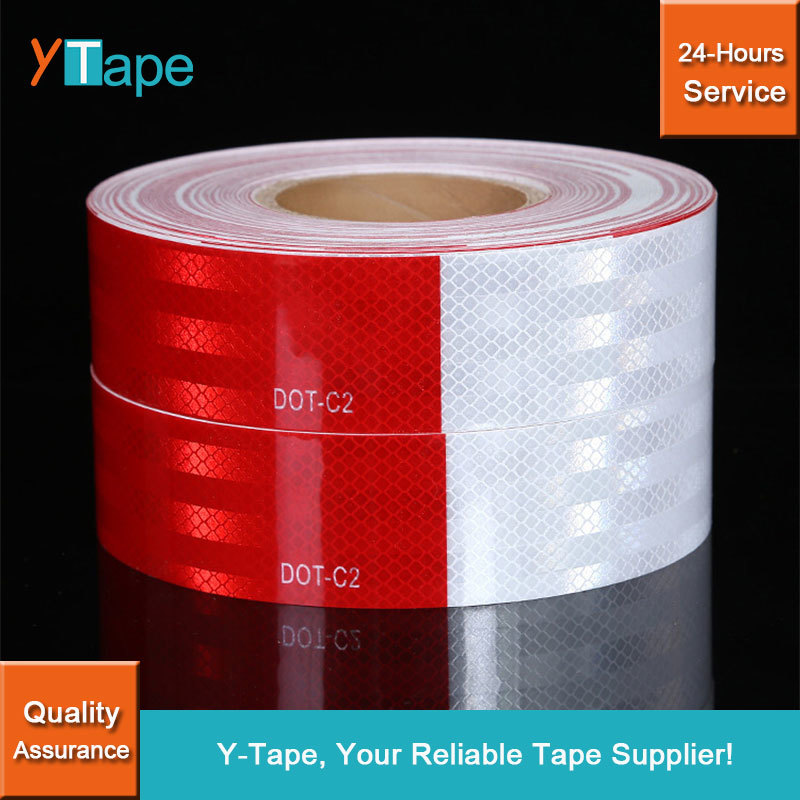
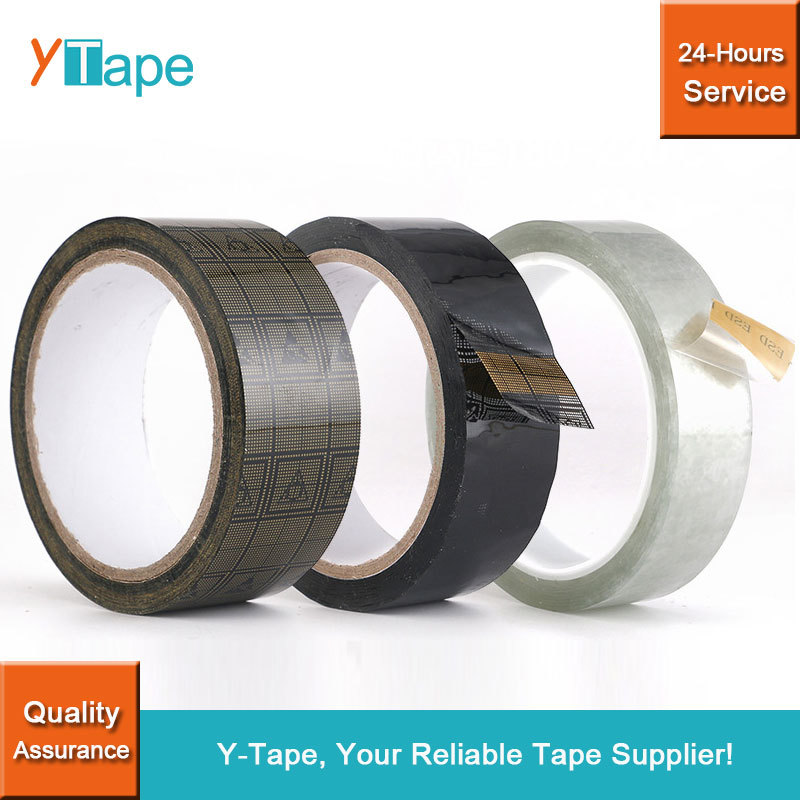
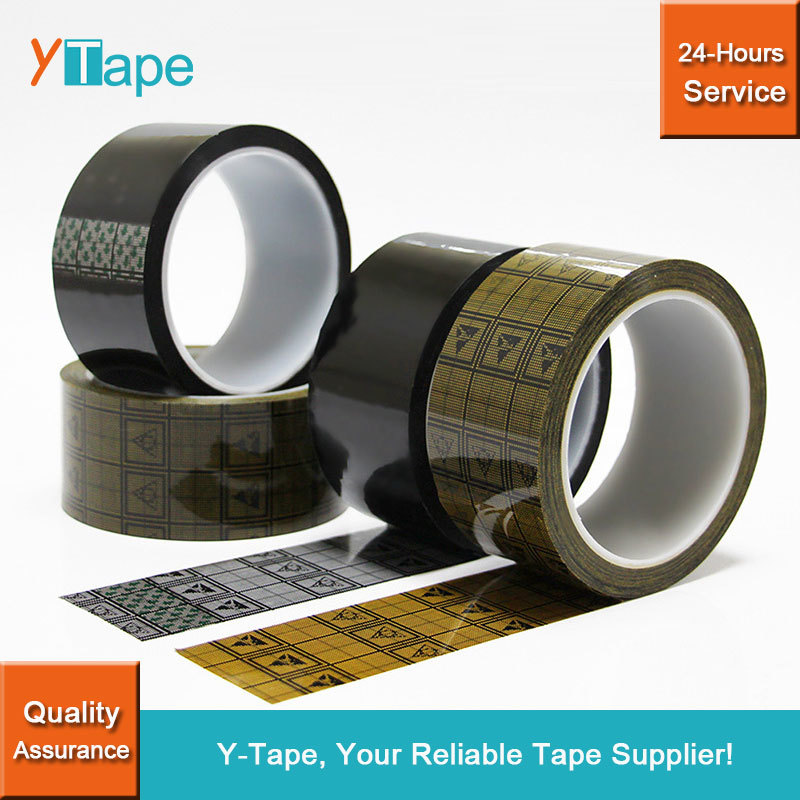

The main products contains EMI Shielding Tapes, High Temperature Tapes, Caution and Marking Tapes, Reflective Tapes, Glow in the Dark Tape, etc.
Add
Xiamen Outstanding New Material Co., Ltd
Add: 4th Floor, No. 388 Anbian Road, Min'an Street, Xiang'an Disctrict, Xiamen City, Fujian Province, China. 361101
MESSAGE