Esperanto
 Shqiptare
 Euskara
 Zulu
Zulu
 Latinus
 Cymraeg
 தமிழ்
தமிழ்
 Slovak
 Slovak
 Afrikaans


Understanding the Benefits of Thermal Conductive Tape for Electronics
Release time:
2024-08-20
Understanding the Benefits of Thermal Conductive Tape for Electronics In the rapidly evolving world of electronics, ensuring optimal performance and longevity of devices is paramount. One essential material that has gained significant attention is **thermal conductive tape**. This article explores the myriad benefits of thermal conductive tape, its applications, types, and how it can revolutioni

Understanding the Benefits of Thermal Conductive Tape for Electronics
In the rapidly evolving world of electronics, ensuring optimal performance and longevity of devices is paramount. One essential material that has gained significant attention is **thermal conductive tape**. This article explores the myriad benefits of thermal conductive tape, its applications, types, and how it can revolutionize the electronics industry.
Table of Contents
- 1. Introduction to Thermal Conductive Tape
- 2. What is Thermal Conductive Tape?
- 3. Key Benefits of Thermal Conductive Tape
- 3.1 Enhanced Thermal Management
- 3.2 Improved Adhesion and Sealing
- 3.3 Vibration Dampening Properties
- 3.4 Ease of Use
- 3.5 Cost Effectiveness
- 4. Applications of Thermal Conductive Tape in Electronics
- 5. Types of Thermal Conductive Tape
- 6. How to Choose the Right Thermal Conductive Tape
- 7. Installation Guide for Thermal Conductive Tape
- 8. FAQs about Thermal Conductive Tape
- 9. Conclusion
1. Introduction to Thermal Conductive Tape
Thermal management is crucial in electronic devices, where excessive heat can lead to performance degradation and component failure. **Thermal conductive tape** serves as an effective solution to this challenge. By facilitating heat dissipation, it helps maintain optimal operating temperatures, thus enhancing the reliability and efficiency of electronic systems.
2. What is Thermal Conductive Tape?
**Thermal conductive tape** is a specialized adhesive tape engineered to transfer heat between components. Made from various materials, including silicone, polyurethane, and epoxy, this tape provides both thermal conductivity and adhesive properties. Its unique formulation allows it to bond securely to surfaces while conducting heat, making it ideal for a variety of applications in electronics.
3. Key Benefits of Thermal Conductive Tape
The advantages of utilizing thermal conductive tape in electronics are manifold. Below, we discuss the primary benefits that make it an essential component in modern electronic designs.
3.1 Enhanced Thermal Management
One of the most significant benefits of thermal conductive tape is its ability to enhance thermal management. This tape efficiently transfers heat away from sensitive components, minimizing the risk of overheating. By maintaining optimal operating temperatures, it helps extend the lifespan of devices and improves overall performance.
3.2 Improved Adhesion and Sealing
Thermal conductive tape features strong adhesive properties that ensure secure bonding between components. This not only aids in heat transfer but also seals surfaces effectively, preventing dust and moisture ingress. The combination of adhesion and sealing properties makes it suitable for various environments, from consumer electronics to industrial applications.
3.3 Vibration Dampening Properties
In many electronic applications, components are subject to vibrations, which can lead to mechanical failure. Thermal conductive tape provides vibration dampening capabilities, absorbing shocks and reducing stress on sensitive parts. This feature is particularly valuable in automotive and aerospace industries, where reliability is paramount.
3.4 Ease of Use
Thermal conductive tape is user-friendly, featuring a peel-and-stick design that simplifies installation. Unlike traditional thermal interface materials, which may require complex application processes, this tape can be quickly and easily applied to various surfaces. This ease of use saves time during assembly and maintenance, making it an attractive option for manufacturers.
3.5 Cost Effectiveness
By providing efficient thermal management and reducing the need for additional cooling solutions, thermal conductive tape can lead to significant cost savings. Its durability means fewer replacements and repairs, making it a cost-effective choice for businesses and manufacturers.
4. Applications of Thermal Conductive Tape in Electronics
Thermal conductive tape finds diverse applications across various sectors in the electronics industry. Below, we explore some of the key areas where this material is employed.
4.1 Consumer Electronics
In consumer electronics, devices such as smartphones, tablets, and laptops generate heat during operation. Thermal conductive tape is used to dissipate this heat effectively, ensuring user comfort and device longevity. Its adhesive properties also allow for secure mounting of components like heat sinks and thermal pads.
4.2 Automotive Industry
The automotive industry extensively utilizes thermal conductive tape in various applications, from electric vehicles to traditional combustion engines. It aids in managing heat in battery packs, electronic control units, and other critical components, enhancing vehicle performance and safety.
4.3 Medical Devices
In the medical field, precision and reliability are crucial. Thermal conductive tape is applied in devices like imaging systems, diagnostic equipment, and wearable health monitors. It ensures efficient heat management, contributing to the reliability of medical technologies.
4.4 LED Lighting
LEDs produce significant heat, which can affect their lifespan and performance. Thermal conductive tape is commonly used in LED lighting applications to effectively dissipate heat, allowing for higher brightness levels and longer operational life.
5. Types of Thermal Conductive Tape
Thermal conductive tape comes in various types, each designed for specific applications and performance requirements. Here are some common types:
- Silicone Thermal Conductive Tape: Known for its flexibility and high thermal conductivity, silicone tape is ideal for applications requiring conformability to uneven surfaces.
- Polyurethane Thermal Conductive Tape: Offering excellent adhesion and durability, polyurethane tape is used in environments where mechanical stress and heat are prevalent.
- Epoxy Thermal Conductive Tape: This type provides superior thermal and electrical insulation, making it suitable for high-performance applications.
6. How to Choose the Right Thermal Conductive Tape
Selecting the appropriate thermal conductive tape involves considering several factors:
- Thermal Conductivity: Choose a tape with suitable thermal conductivity for your specific application.
- Adhesive Strength: Ensure the tape has adequate adhesive strength for the surfaces involved.
- Operating Temperature Range: Check the temperature limits of the tape to ensure it can withstand the heat generated by your device.
- Thickness: The thickness of the tape can impact its thermal performance and ease of application; choose accordingly.
7. Installation Guide for Thermal Conductive Tape
Installing thermal conductive tape is a straightforward process. Follow these steps for optimal results:
- Prepare the Surface: Ensure the surfaces are clean and free of dust or grease.
- Cut the Tape: Measure and cut the tape to the desired size, ensuring it covers the intended area.
- Peel the Backing: Carefully peel off the backing layer of the tape.
- Apply the Tape: Position the tape on the surface and press down firmly to ensure good contact.
- Secure the Components: If applicable, secure any components over the tape to enhance adhesion.
8. FAQs about Thermal Conductive Tape
What is the main purpose of thermal conductive tape?
The primary purpose of thermal conductive tape is to facilitate heat transfer between electronic components, helping to manage thermal performance effectively.
Can thermal conductive tape be used on uneven surfaces?
Yes, many types of thermal conductive tape, especially silicone-based options, can conform to uneven surfaces, providing effective thermal management.
Is thermal conductive tape suitable for high-temperature applications?
It depends on the specific tape. Always check the manufacturer's specifications for the maximum operating temperature to ensure suitability for high-temperature applications.
How does thermal conductive tape compare to thermal paste?
While thermal paste provides excellent thermal conductivity, it often requires careful application and curing time. Thermal conductive tape offers ease of use and immediate bonding, making it a practical alternative in many applications.
Can thermal conductive tape be used in outdoor applications?
Yes, certain thermal conductive tapes are designed to withstand outdoor conditions. Look for tapes with UV resistance and weatherproof properties for such applications.
9. Conclusion
Thermal conductive tape is an invaluable component in modern electronics, offering an array of benefits that enhance performance and reliability. Its superior thermal management capabilities, combined with excellent adhesion and ease of use, make it a preferred choice across various industries. As technology continues to advance, the importance of effective thermal solutions like thermal conductive tape will only grow, paving the way for improved device efficiency and longevity. By understanding and leveraging the benefits of this innovative material, manufacturers and engineers can ensure their electronic products meet the demands of today’s fast-paced market.
Keywords:
More information
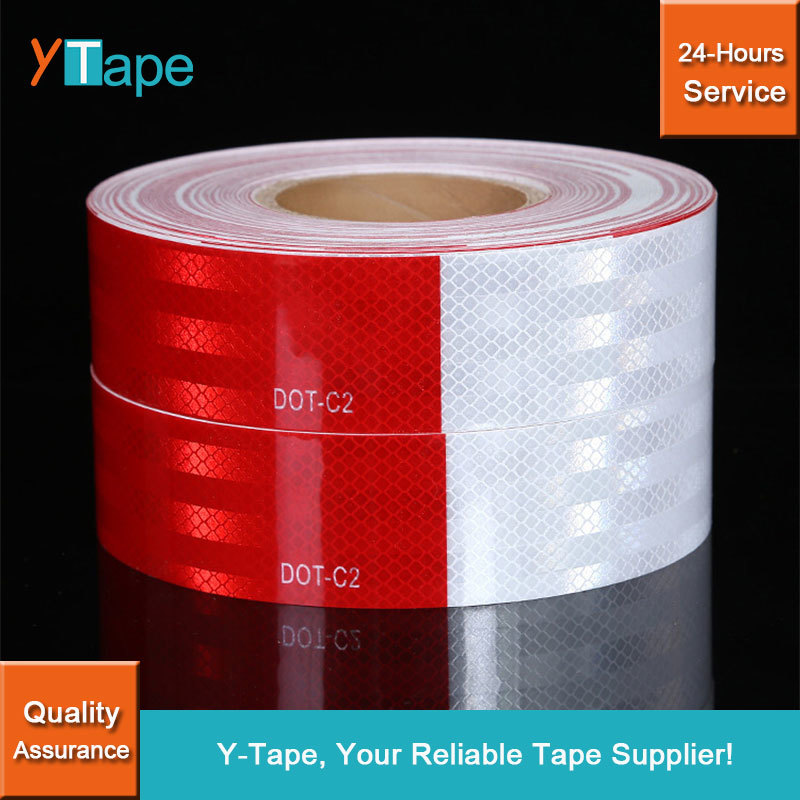
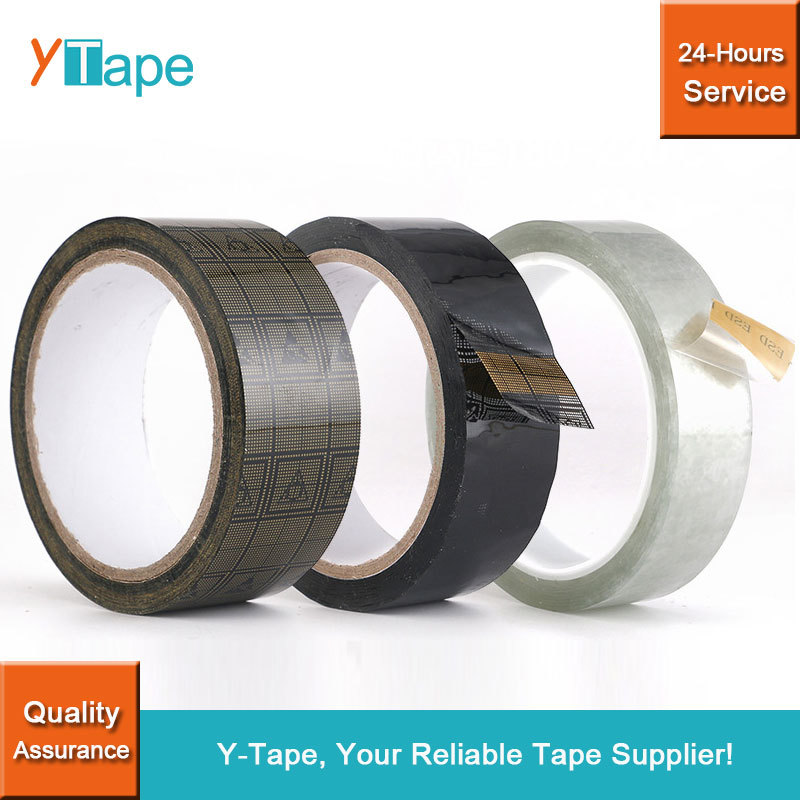
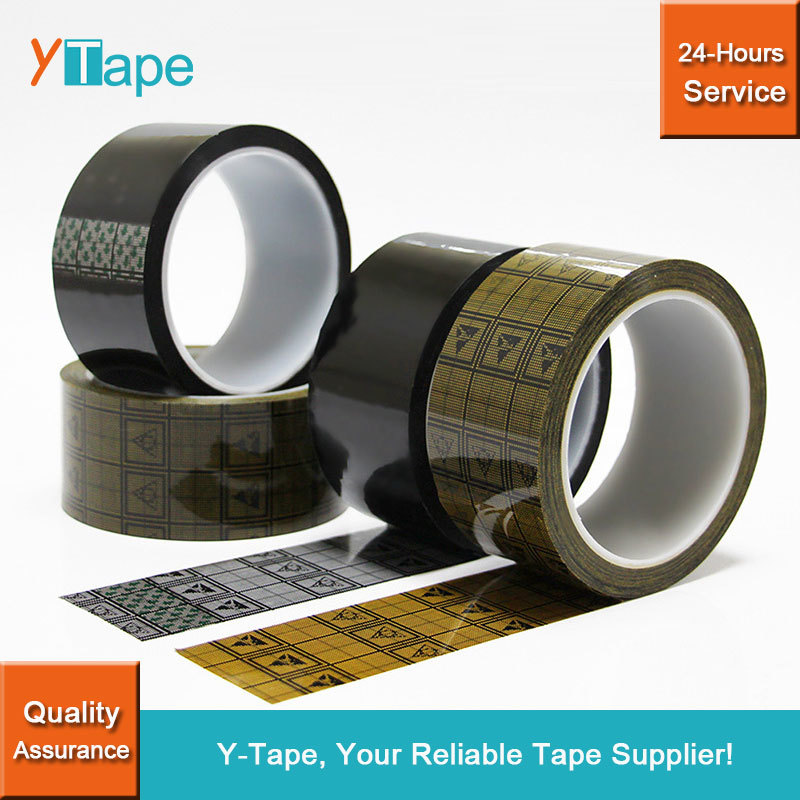

The main products contains EMI Shielding Tapes, High Temperature Tapes, Caution and Marking Tapes, Reflective Tapes, Glow in the Dark Tape, etc.
Add
Xiamen Outstanding New Material Co., Ltd
Add: 4th Floor, No. 388 Anbian Road, Min'an Street, Xiang'an Disctrict, Xiamen City, Fujian Province, China. 361101
MESSAGE